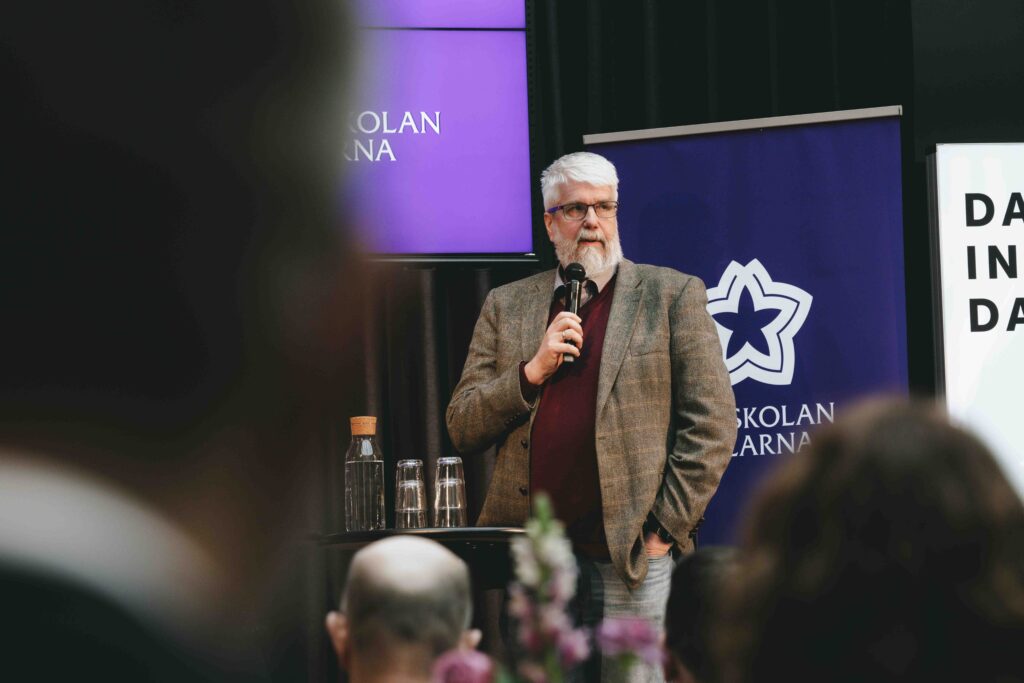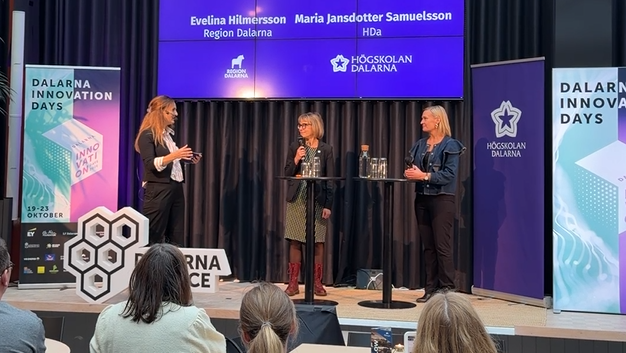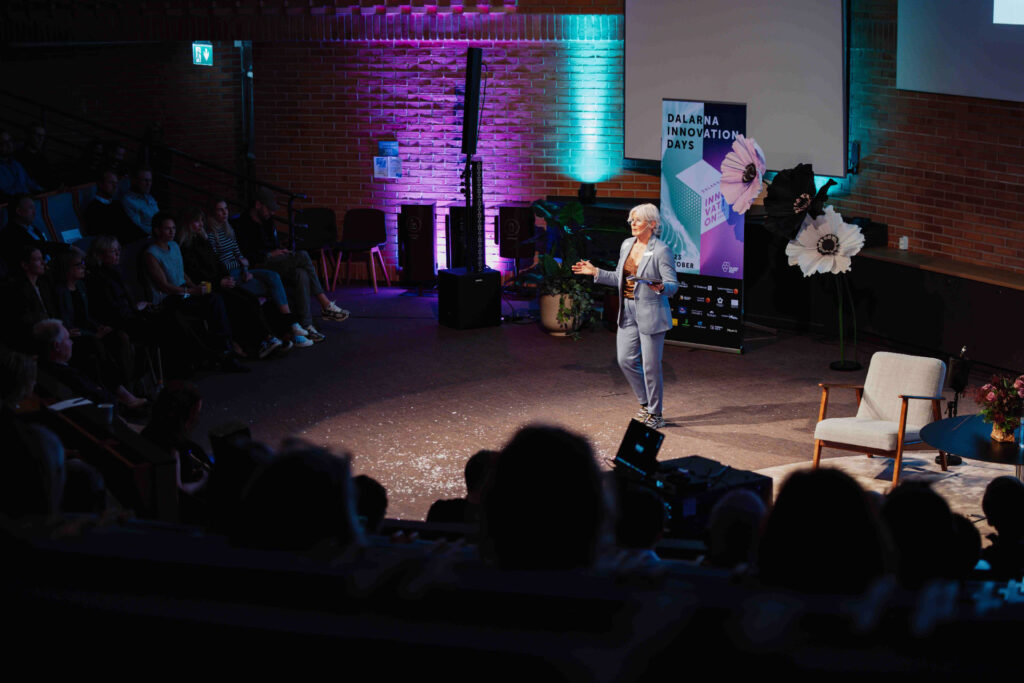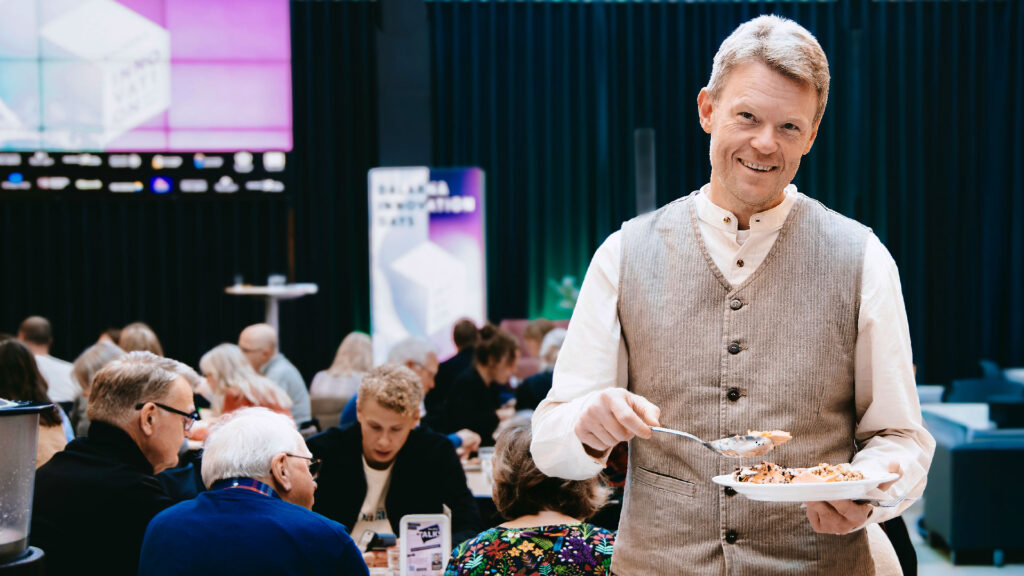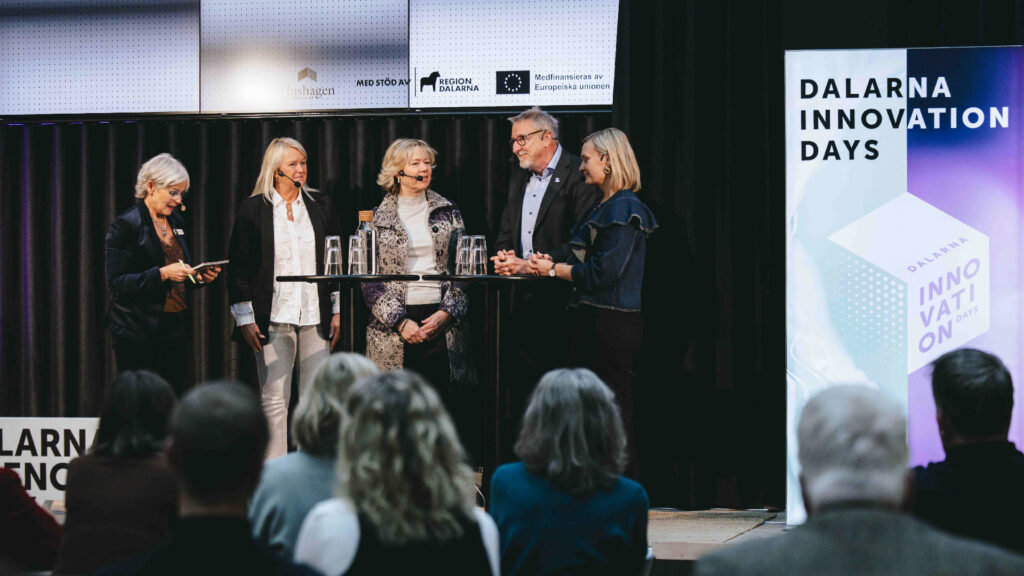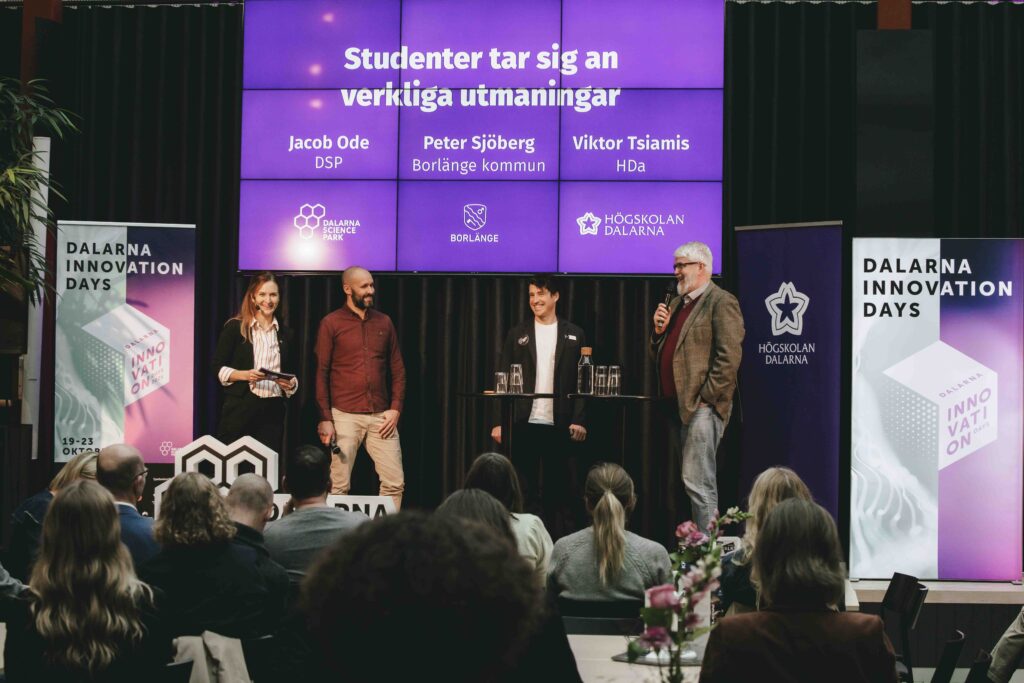
During Dalarna Innovation Days, Dalarna University brought together companies, researchers, and regional stakeholders at Dalarna Science Park to focus on how collaboration between academia and industry can create tangible business and societal benefits. Using real-world examples, the event highlighted opportunities to align the long-term perspective of research with the needs of businesses, including through research collaborations, student projects, and thesis work.
A student project became a fully operational system
The healthcare organization in Borlänge Municipality needed a more efficient way to assign tasks and track progress. Using an Excel file as a starting point, students at Dalarna University, in collaboration with the municipality, developed a digital system that is now in use within the organization.
This example illustrates how a specific challenge can give students the opportunity to apply their knowledge in practice, while also providing the organization with new perspectives and a practical solution. Theses, project-based courses, and student consultants are some possible avenues for collaboration. Through the “Akademinära Innovation Dalarna” initiative, Dalarna Science Park helps foster connections and match needs with expertise.
An idea that could be tested and developed
Another example presented was MODD Sports, where founder Mikael Östberg has developed the concept of a pole grip with a lever mechanism designed to enable cross-country skiers to extend their push-off.
Through Dalarna Science Park’s incubator, he received support to verify the handle’s functionality and was put in touch with Dalarna University’s Sports and Health Laboratory. There, the handle was compared to a standard pole grip through tests on a roller ski treadmill. This collaboration provided the foundation for continued product development, and today the handle is used by several elite skiers.
Relationships That Build the Skills of the Future
The partnerships with ByggDialog Dalarna and Hitachi Energy also demonstrated the value of long-term relationships. When companies contribute to teaching and engage with students early in their education, this strengthens both the relevance of the programs and the companies’ ability to find future employees.
To succeed, the parties need to understand each other’s circumstances. The business community’s need for concrete results must align with academia’s efforts to develop new knowledge. Open dialogue, clear expectations, and trust help move the collaboration forward.
The message to companies and organizations was simple: start by getting in touch and sharing a challenge or an idea. You don’t need to know which academic program or researcher is the right fit. That first conversation can open the door to a collaboration that strengthens both your own business and Dalarna’s innovative capacity.
Participants: Jens Westergren, Mikael Andersson, Hans Ersson, Elin Lööf, and Viktor Tsiamis from Dalarna University. Evelina Hilmersson from Region Dalarna; Mikael Östberg from MODD Sports AB; Peter Sjöberg from the City of Borlänge; Annica Granberg from ByggDialog Dalarna; Åke Bohl from Hitachi Energy; and Jacob Ode from Dalarna Science Park.
Watch the full broadcast, “How We Build Dalarna’s Innovative Capacity in Practice,” here.