Smarter material choices and greater knowledge of materials can lead to better and more sustainable products, lower costs, and more efficient production. A materials hub is now being established to help companies in Dalarna, Gävleborg, and Värmland gain access to expertise, testing facilities, and contacts in the field of materials technology.
The focus is on the needs of businesses
Work on the arena is currently in an intensive phase. Right now, the project team is meeting with companies to understand the challenges they face in their day-to-day operations. These challenges can range from material selection and product development to staffing needs and sustainability requirements.
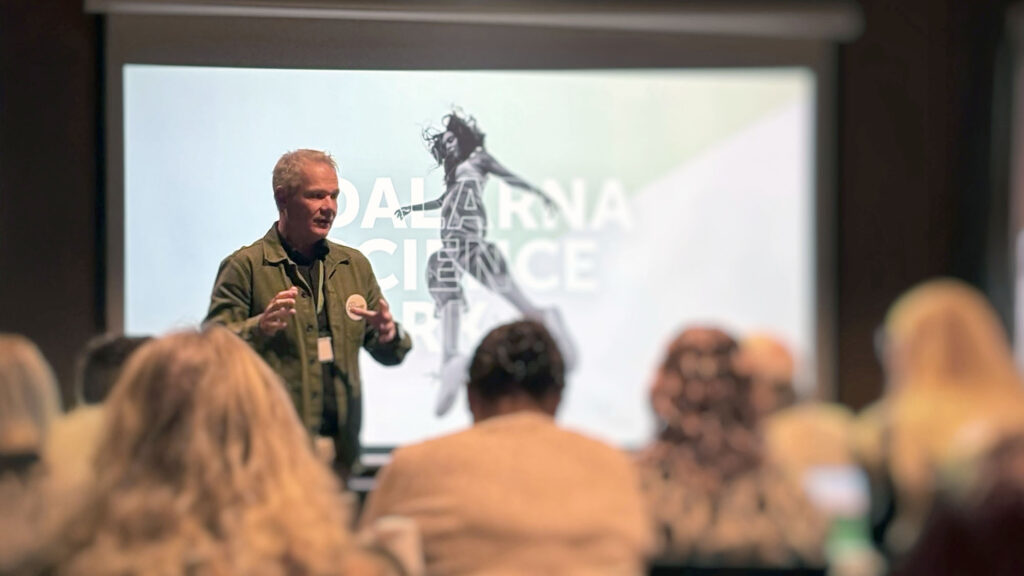
“We need to understand the realities of business in order to build something that actually makes a difference,” says Marie Adolfsson Sandnabba, project manager at Dalarna Science Park.
The choice of materials affects everything from product quality and production efficiency to the ability to develop circular business models. In the long run, the goal is to boost companies’ profitability through greater knowledge and the discovery of new solutions.
A network for knowledge and collaboration
At the same time, a network is being built for designers, product developers, and buyers—roles that often have a significant influence on companies’ material choices and development work. The idea is simple: to make it easier to find the right expertise, share experiences, and connect with research and education.
“Through this network, companies will be able to connect with others facing similar challenges and find new solutions together,” says Marie Adolfsson Sandnabba.
From concept and theory to practical testing
The goal is for the platform to provide companies with concrete support and guidance on material selection to help them develop their products and processes. It will be easy to find the right expertise and to test, analyze, and verify new ideas more quickly, thereby moving them forward.
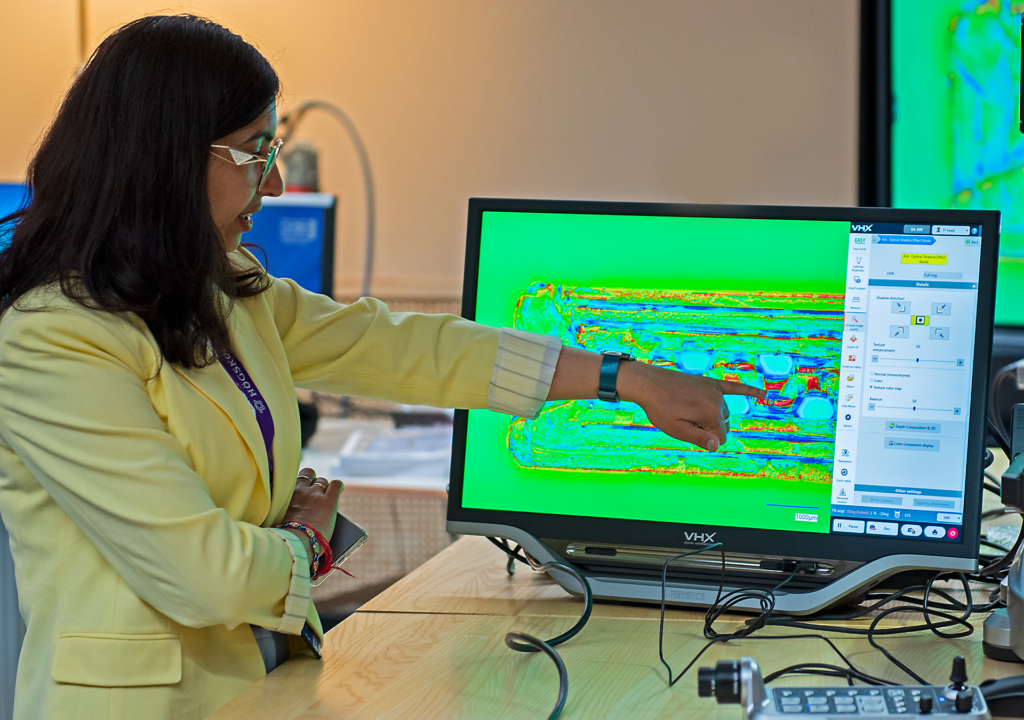
The work is already underway. At Dalarna University, companies and researchers recently gathered for a demonstration of analytical instruments for materials development. It served as a first example of how businesses and academia can work more closely together.
This fall will also see the launch of several pilot initiatives that will give companies the opportunity to test new ways of working and receive support tailored to their specific needs.
Educational opportunities in the region
Higher education institutions in the regions complement one another with their cutting-edge expertise and specializations in the field of materials. Together, they aim to make it easier for companies to find the right support and expertise.
Bergsskolan in Filipstad → a clear industry-oriented focus on metallurgy, steel, and production technology.
Dalarna University → a leader in process engineering, solar energy, sustainability, and the circular economy.
University of Gävle → broad engineering program that integrates materials engineering with industrial applications and sustainable technology systems
Karlstad University → applied materials research with a focus on mechanical testing and advanced analysis of materials for industrial applications.
Would you like to learn more or get involved?
The project is currently looking for more companies that want to help shape the work—or participate in this fall’s pilot initiatives. These initiatives will give companies the opportunity to test new ways of working, develop their knowledge of materials, and receive targeted training tailored to their specific needs.
“Please feel free to contact me right away. We are actively seeking companies that want to help test, develop, and contribute,” says Marie Adolfsson Sandnabba, project manager at Dalarna Science Park.

Materials Connection Arena
Materials Connection Arena is led by Dalarna Science Park in collaboration with IUC Dalarna, Sustainable Steel Region, Karlstad University, Gävle University of Applied Sciences, Dalarna University of Applied Sciences, and Bergsskolan in Filipstad.
The project is funded by the European Regional Development Fund, Region Dalarna, the Dalarna Savings Bank Foundation, and the Hugo Carlsson Foundation.
The overall goal is to establish a robust knowledge hub for materials characterization that bridges the gap between industry needs and academic research.