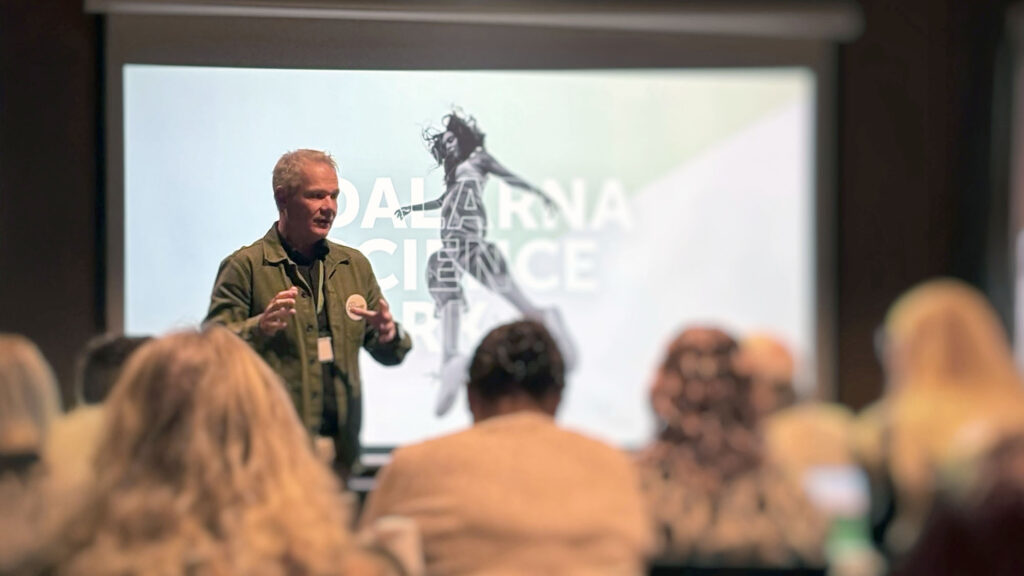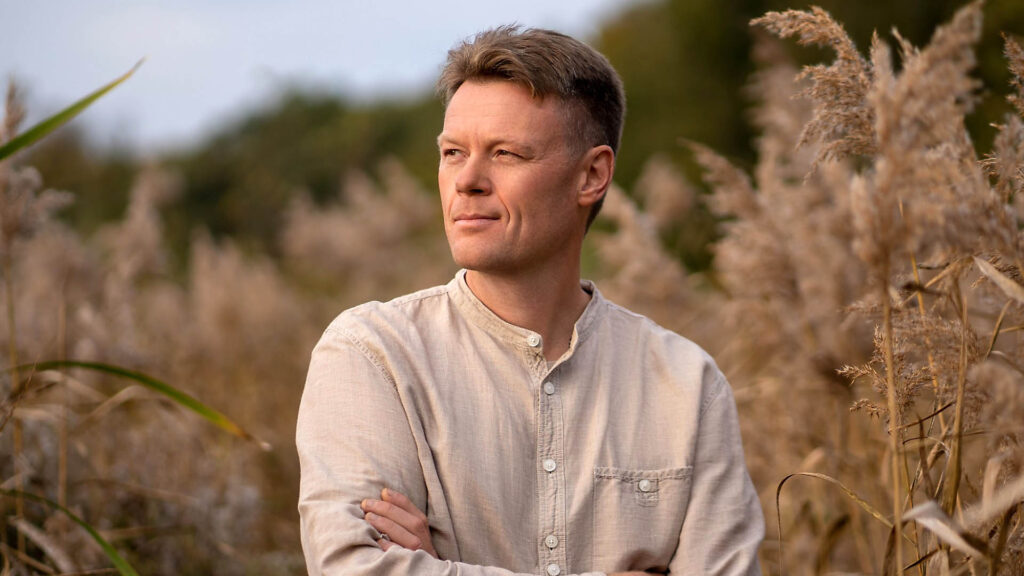
What and how we eat is constantly changing, but as consumers, we also have strong opinions about what is edible and what is not. Patience is required for anyone who wants to introduce new ingredients, food products, or meal concepts to the Swedish food market. This became clear when food researcher Richard Tellström visited Borlänge, Hedemora, and Leksand as part of the seminar series “Tomorrow’s Food.”
Times of uncertainty pave the way for new eating habits
Dalarna is home to many innovative food companies, several well-known and strong brands, and a growing food industry, yet it has a low level of self-sufficiency. In a time of increased uncertainty, our ability to provide for ourselves has received greater attention, and secure access to food in the event of war or crisis is increasingly in focus. This makes local production, shorter food supply chains, and conditions for entrepreneurship strategically important issues.
“In times of uncertainty, we turn inward and value what we recognize; raw beef, for example, has never been more popular than it is today. But after a crisis, we want to clear away the old and think anew. Food culture has taken major strides, for example after both World War I and World War II, says Richard Tellström.
He highlighted a few historical examples and suggested that it is likely we will see shifting values—and thus new foods—as we enter times of less anxiety and more money in our wallets.
Small producers face major obstacles
The food industry consists largely of small businesses, and the path to market is not straightforward. Regulations and limited resources make it difficult for smaller producers to compete with global players.
– It is mainly small businesses that introduce new and innovative foods. There are plenty of ideas, especially in Dalarna. The challenge lies in scaling up and establishing a profitable business. Part of that involves reaching people where they shop on a daily basis. Today, that’s a challenge, says David Levrén, project manager for Food Innovation in Dalarna, an initiative through which Dalarna Science Park strengthens local producers’ innovative capacity.
From food waste to food
Reducing food waste in the food supply chain is one of the most effective things we can do to minimize the environmental impact of our food production. Developing new products from materials that are not currently considered food ingredients is a particular focus area for Dalarna Science Park.
“One example is that whey from cheese production has become the basis for new products, such as Murboanna’s meal replacement drink Porlande and ice cream from Stora Skedvi Dairy,” says Anna Torsgården, sustainability developer at Dalarna Science Park.
Our lives and relationships determine what we eat
Food researcher Richard Tellström highlights how societal changes are affecting our eating habits:
– The rise in single-person households is driving demand for ready-made meals. Smartphones are fueling the trend toward “one-handed food” such as salads and bowls where the food is pre-cut. In Sweden, snacking is also on the rise in the form of snacks like Risifrutti and drinkable yogurt. In the past, it wasn’t considered acceptable to eat out on the town, but it is today, and so we’re seeing products that are convenient for when we’re on the go become popular.
Politics, values, and economics influence our food choices. We are constantly reevaluating what we consider edible, and change takes time. What’s unique about Dalarna is that we eat horse meat, something considered inedible in many other places. What we eat or don’t eat is all in our heads, says Richard Tellström.
Innovation requires patience
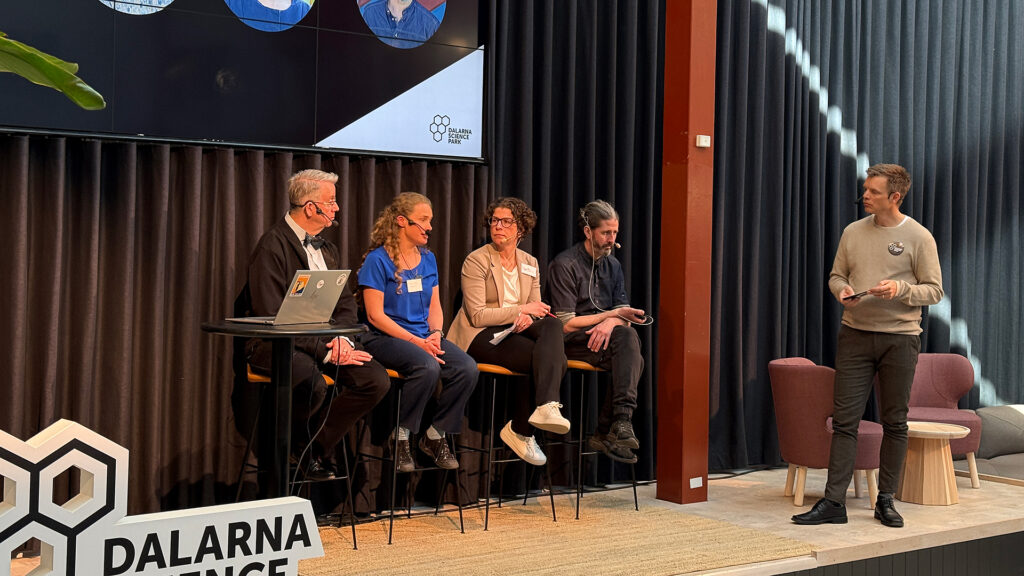
The seminar in Borlänge concluded with a panel discussion on Dalarna’s future prospects.
– New foods must fit into people’s everyday lives. It’s about experimenting in small steps, says food expert Veronica Öhrvik from the Ax Foundation, who has developed new products based on bream and field beans, among other things.
Maud Hallman from Invest i Dalarna highlighted the need for better conditions:
– There is significant interest in investing in food production in synergy with other industries. Using waste heat for greenhouse cultivation is one such example. Regulations need to be simplified to facilitate this type of business establishment.
Serving local samples
Chefs and food influencers play a significant role in shaping our dietary choices. During the seminar at Dalarna Science Park in Borlänge, attendees were served samples made from ingredients that are readily available locally but that we rarely—or perhaps never—eat. Jonathan Bjurenstedt from Solgårdskrogen in Nittsjö served samples of young pike, nettles, and pike.
At the event held at Leksand Sparbank’s premises, visitors were treated to local pastries from Siljans Konditori, and at Sparbanken Bergslagen in Hedemora, a locally sourced lunch from Wahlmans Café was served.
The seminars sparked a discussion about what we eat today and how current food traditions, combined with our curiosity about new experiences, will shape the food market of the future. It is clear that there is a strong commitment to the food of tomorrow in Dalarna.