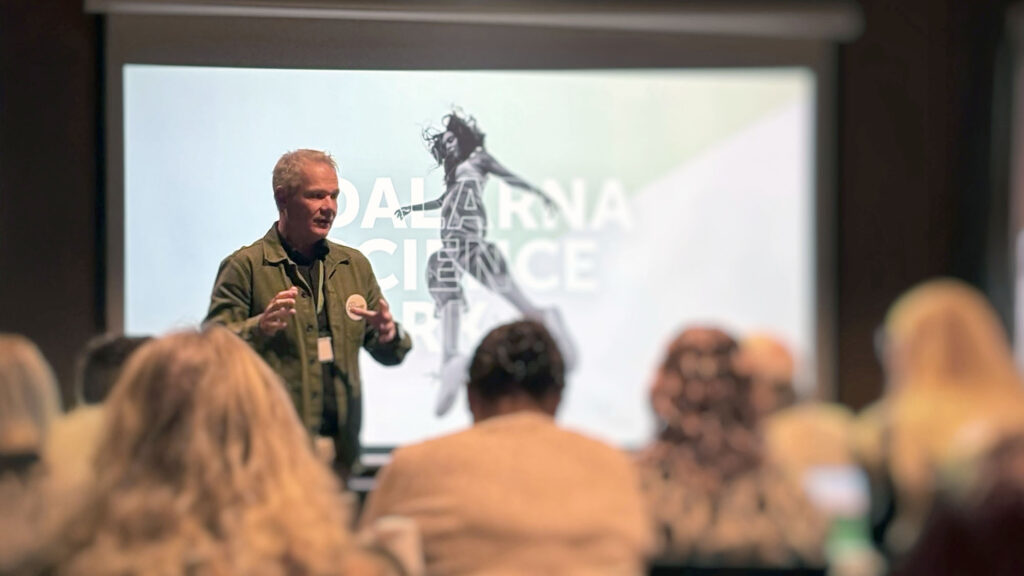
"The circular is the safe". These words summed up the message of sustainability expert Mattias Goldmann during Dalarna Talks. This time, audiences gathered both on site and digitally to discuss circularity in a changing world.
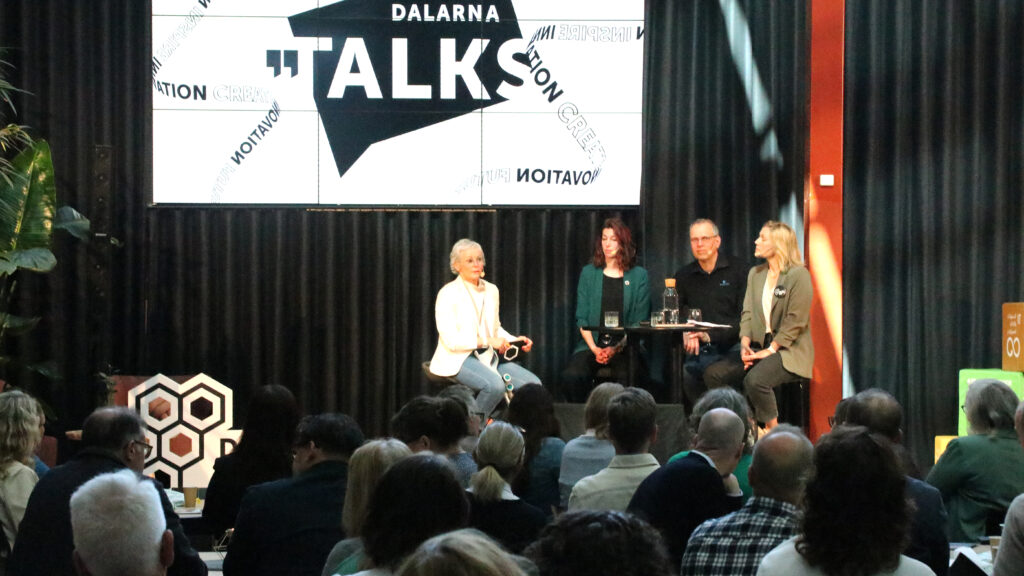
During Dalarna Talks on May 15, we discussed how business, the public sector and academia can work together to pave the way for a more resource-efficient future. At the center were questions about how we can build strong and sustainable business models in the shadow of geopolitical challenges and climate crisis.
Angelica Ekholm, CEO of Dalarna Science Park, opened the conversation by emphasizing the importance of collaboration in the transition. Sustainability expert Mattias Goldmann said that today's global challenges, from trade conflicts to war, are ironically driving the need for circular solutions. He noted that this was not their intention, but the result was a clear breakthrough for the circular economy.
From vision to action
The panel consisted of Heléne Wittesjö from Green Iron, Christian Olhans from Borlänge Energi and Carolina Friberg from Dalarna Science Park. They shared concrete examples of how circularity is put into practice, from recycling mining waste and textiles to new business models in industry.
In addition to technology and business, soft values were also highlighted, with panellists stressing the importance of collaboration, shared experiences and local ownership. Several of them highlighted how networks, support structures and long-term capital play a crucial role in success.
While legislation is now driving change, it was noted that real transformation requires all actors, from citizens to authorities, to understand their role in the circular flow. It is only when resources start costing money that something really happens.
Towards Sweden's most circular region
The possibility of making Dalarna Sweden's most circular region by 2030 came up several times during the discussion. The panel pointed out clear first steps, such as creating local cycles, thinking circularly already in product design and strengthening support for small businesses.
In conclusion, Mattias Goldmann emphasized that Dalarna has everything it takes to take the lead. But more people also need to know how they can contribute. We must not only recycle resources, we must also choose circular products as consumers.
It became clear that textile flows, plastics and mining waste are seen as key challenges but also as huge opportunities for innovation. Several participants called for more local recycling and collaboration between municipalities, businesses and residents to build strong circular systems in the region.
Watch the program afterwards
If you missed Dalarna Talks on May 15, you can watch the recording afterwards on our YouTube channel.
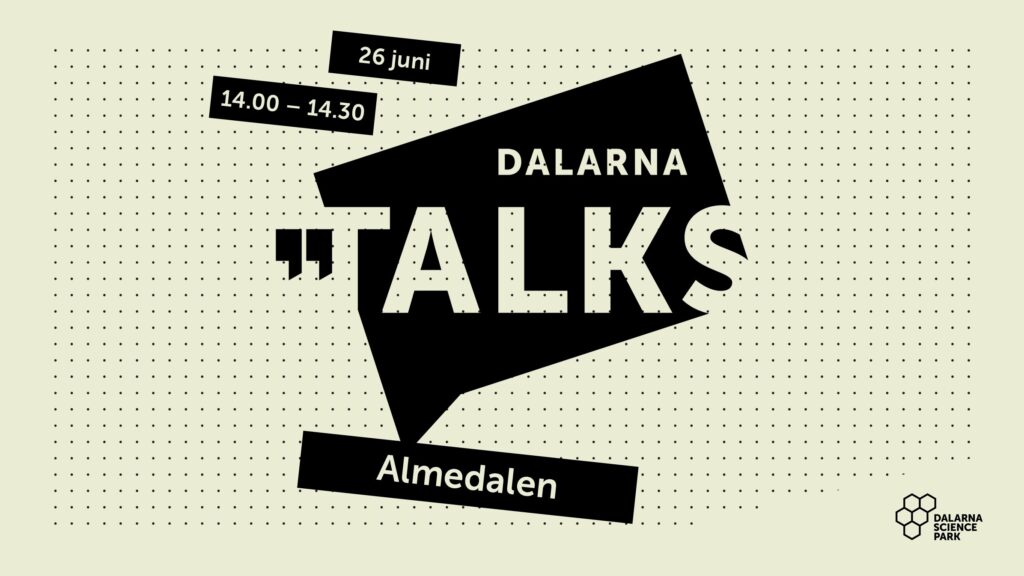
Dalarna Talks - Almedalen
During the Almedalen Week, we put Dalarna in focus through our live hybrid seminar Dalarna Talks. The theme of the program is Dalarna is Sweden's next growth region.We discuss the region's opportunities and challenges together with representatives from both the business community and the public sector.