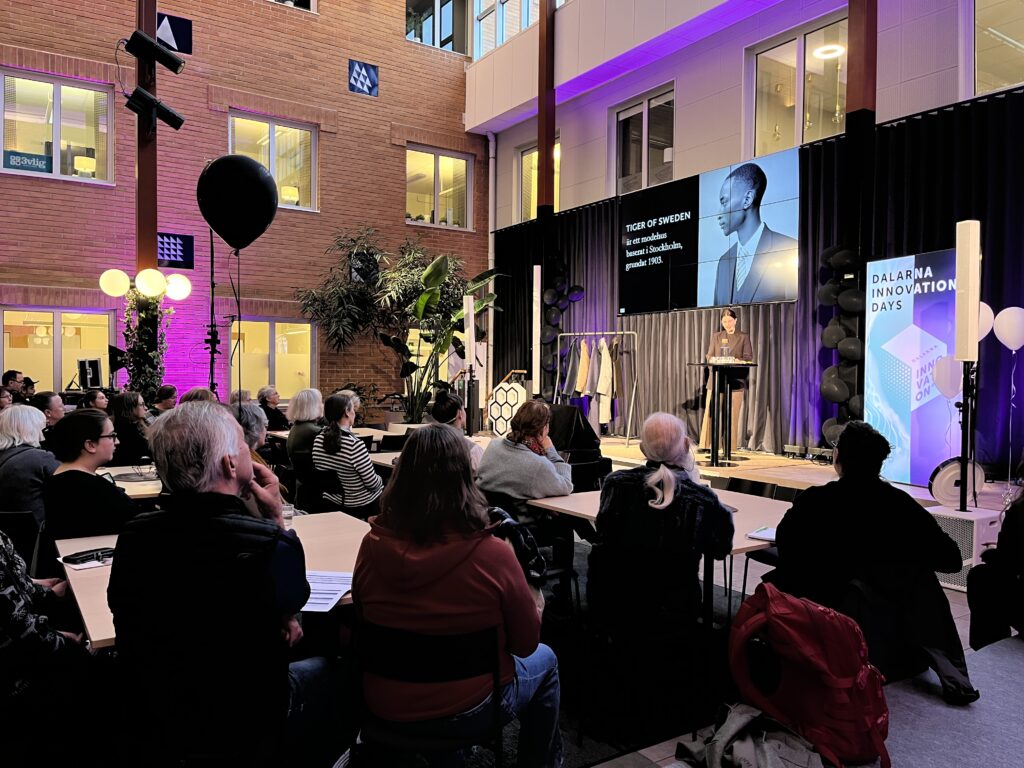
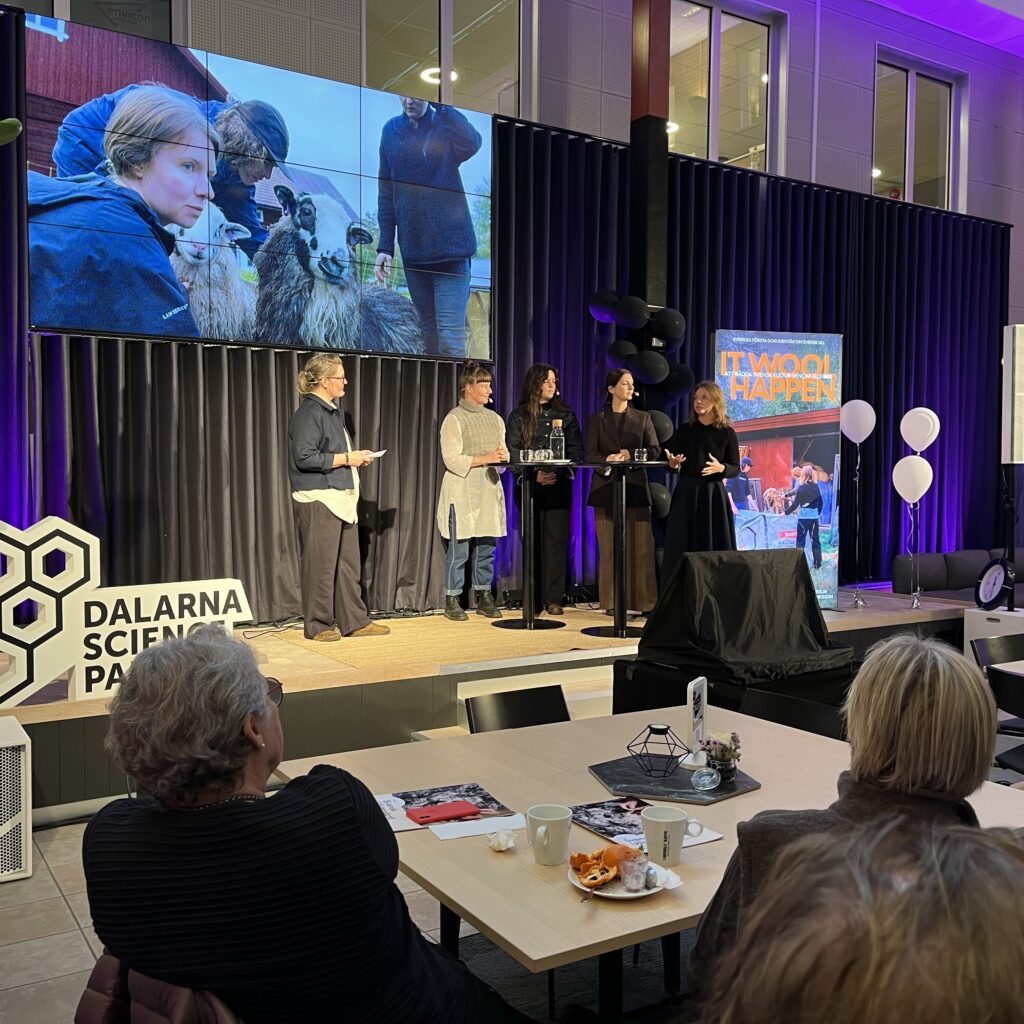
Every year, around 1,000 tons of wool is produced in Sweden - but more than half is discarded, while 1,700 tons are imported. "This is an equation we can't quite get right," said Lina Sofia Lundin, project manager at Dalarna Science Park, when she opened the event Swedish wool - from forgotten by-product to future resource at Dalarna Innovation Days 2025.
Interest was high; 170 participants from Skåne to Lapland took part, half in person and half digitally.
The event was based on the Swedish Wool Initiative project, which has developed a new classification system for Swedish wool. The Axfoundation and Dalarna Science Park have driven the work in collaboration with some twenty actors, from sheep shearers and farmers to brands in fashion, outdoor and interior design.
From raw wool to opportunity
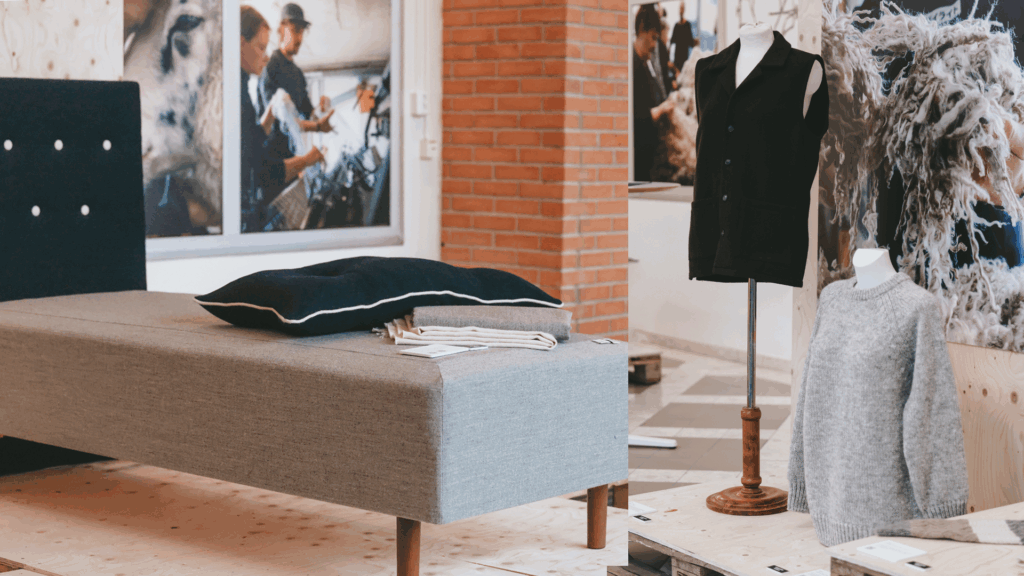
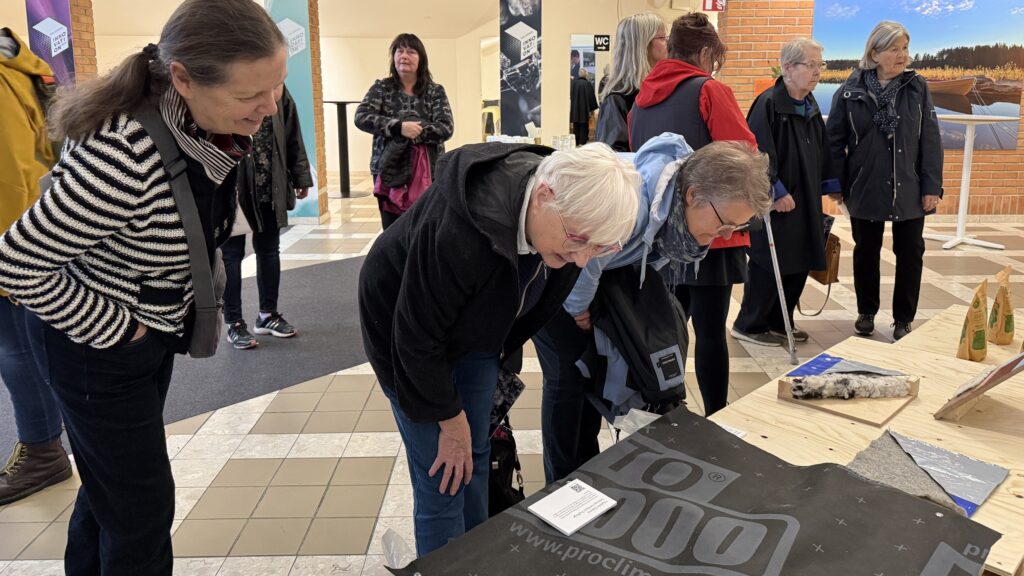
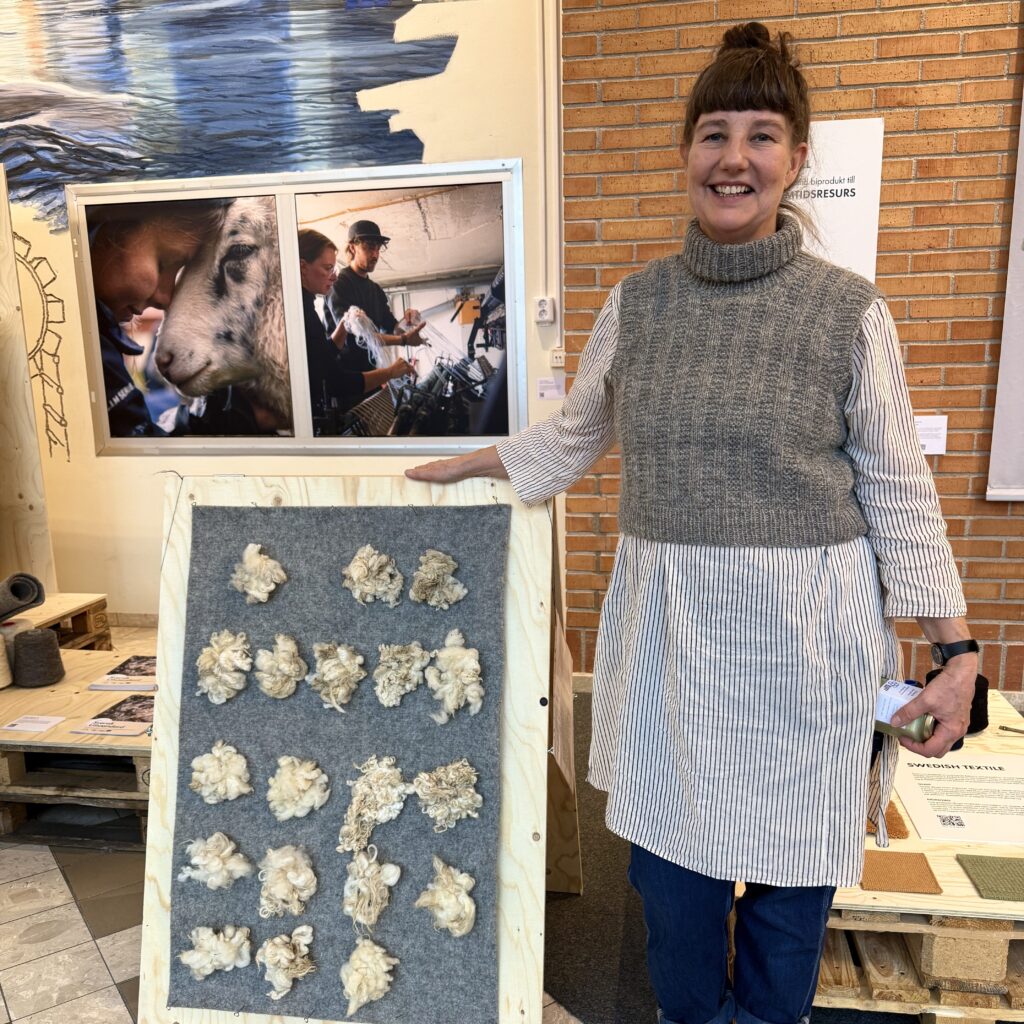
Right from the entrance to Dalarna Science Park, visitors got a sense of the breadth and potential of Swedish wool. Everything from designer furniture and fashion to roof insulation and pellets, made from sustainable Swedish wool, was on display. The well-attended mini-exhibition with prototypes was in place throughout the innovation week.
- In fifty years, the world's fiber consumption has tripled and polyester from oil dominates. Wool offers a sustainable alternative, and in the project we create the conditions for Swedish wool to be processed on an industrial scale," said Lina Sofia Lundin.
Together with Rebecca Ulvling Josefsson, textile engineer and founder of Swedish Textile, she described the collaboration within The Swedish Wool Initiative and the path from raw wool in Dalarna to finished product.
Can tradition meet innovation in a future wool industry?
Rebecca Ulvling Josefsson explained how the project is linked to Dalarna's textile tradition and craft culture:
- I was at Sätergläntan and got to see samples of vadmal and have had local collaborations with Wålstedts and CTH Ericson of Sweden. The result is two unique fabrics: Glint, a glossy tweed-like fabric, and Nordvad, a felted wool fabric with Nordic character and durability.
Rebecca also described the establishment in Forsa outside Hudiksvall, where Swedish Textile is now planning to build a national infrastructure for the collection, washing and processing of wool together with Holma Helsingland and Sörforsa Företagarcenter.
- Our vision is to create a domestic, resilient and circular wool industry that strengthens Sweden's sustainability, livelihood and preparedness. And we want it to be profitable to produce it and to process it," she said.



The role of the fashion industry in the future of wool
Linda Kåhed from Tiger of Sweden, shared experiences from the company's work with Swedish wool:
- We have been working with Swedish wool in our collections for five years, so we have already come a long way. Now there are also contacts to reach out to, and several other fashion companies have started producing Swedish wool products.
But the journey is not without its challenges, says Linda:
- "You have to turn the design process around and start from the fibers, what can we do with what we have? Usually we might start a new collection a little over six months before, but here you have to go back a year and a half, which means higher start-up costs.
Nevertheless, she sees great opportunities and benefits in using the Swedish wool in the fashion industry:
- It is a fantastic fiber. It can be reused, recycled, is renewable and has high quality. Equally important for us as a fashion house is that it can be made into beautiful things.
It Wool Happen - the movie that captures a growing movement
To conclude the event, participants were given a preview of the documentary film It Wool Happen, an ongoing project by filmmaker Hanna-Maria Rydberg. The film follows the development of the Swedish wool industry and the people behind the change.
- I hope that those who have worked with wool for years and lived in it will feel that their work is recognized. You are the ones I want to make a movie about. You are the ones who deserve to have your work seen and uplifted," said Hanna-Maria.
The screening was met with long applause and several of the cast members were visible in the audience. The film is still in production and is expected to premiere in early 2027.
Crafts, politics and faith in the future
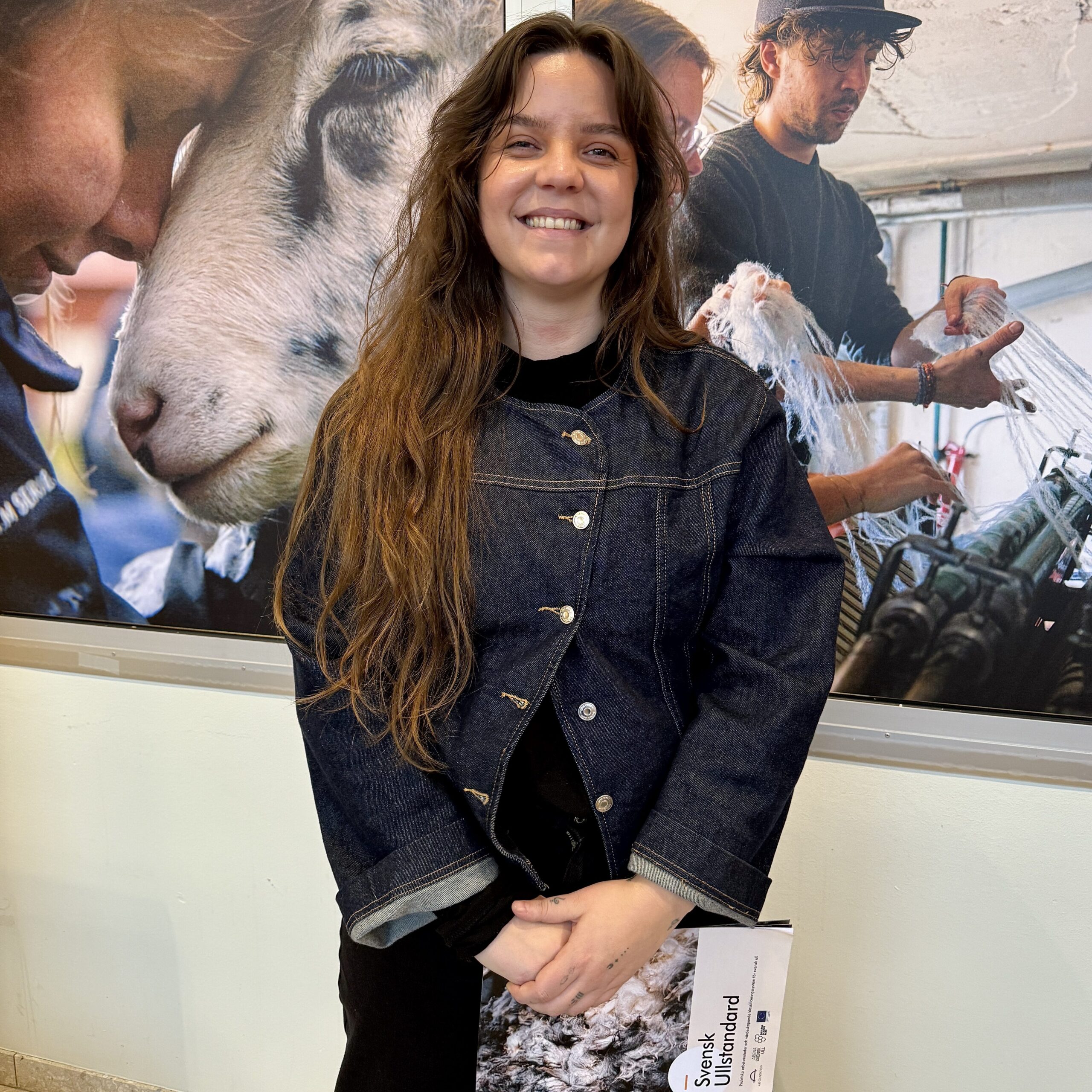
In the final conversation, Linda Kåhed and Kattis K. Hofvander, craft consultant and former textile teacher at Sätergläntan. They discussed the link between craftsmanship, innovation and future material development.
- Earlier today someone talked about mines, and how important minerals are as raw materials. Wool is also a raw material that we should protect and that needs the eyes of politicians. We need the state to step in and support this," said Kattis.
The day ended in the same spirit as it began, with commitment, knowledge and faith in the future. Swedish wool is no longer a forgotten by-product, but a future resource with the power to contribute to both sustainability and regional development.
Key insights from the day & links
- Swedish wool is a renewable, biodegradable resource with great potential in a sustainable textile industry.
- Infrastructure, quality assurance and profitability are key challenges.
- The Swedish Wool Initiative brings together the entire value chain and has developed a Swedish Wool Standard.
- Interest in Swedish wool is growing and several companies have already developed products made from Glimt and Nordvad wool fabrics, from fashion garments to furniture and home textiles.
- Tiger of Sweden is an example of how the fashion industry can drive change.
- Swedish Textile is building a local, circular value chain in Hudiksvall.